DxMedical Coding HubLearn · Research · Share
ShareXLinkedInFacebookRedditEmail
New

Learning Games

Coding skill is pattern recognition under time pressure, which is exactly what a game trains. All 6 run entirely in your browser — no sign-up, no install — and every wrong answer is a distractor that gets billed by mistake in the real world, with an explanation of why it fails.

Post a score on any game and you land on its leaderboard. See who’s on top →

LeaderboardCode Rush
  1. 1Raj T. · Fresno, CA9,300
  2. 2Deborah P. · Tampa, FL9,300
  3. 3Grace S. · Greensboro, NC8,775
  4. 4Tony B. · Phoenix, AZ7,650
  5. 5Danielle N. · Chandler, AZ7,500
Code Rush — Sixty seconds. One description. Four suspiciously similar codes.
Warm-up1–3 min

Code Rush

Sixty seconds. One description. Four suspiciously similar codes.

A description drifts into the center of a 3D field while four candidate ICD-10-CM codes orbit around it. Pick the right one before the timer runs out. The distractors are the codes that actually get miscoded in production — wrong laterality, wrong encounter character, wrong specificity — so a fast guess is usually the wrong guess.

What you practice
  • Laterality and encounter (7th character) discipline
  • Specified vs. unspecified code selection
  • Reading a description down to the last qualifier
Play Code Rush
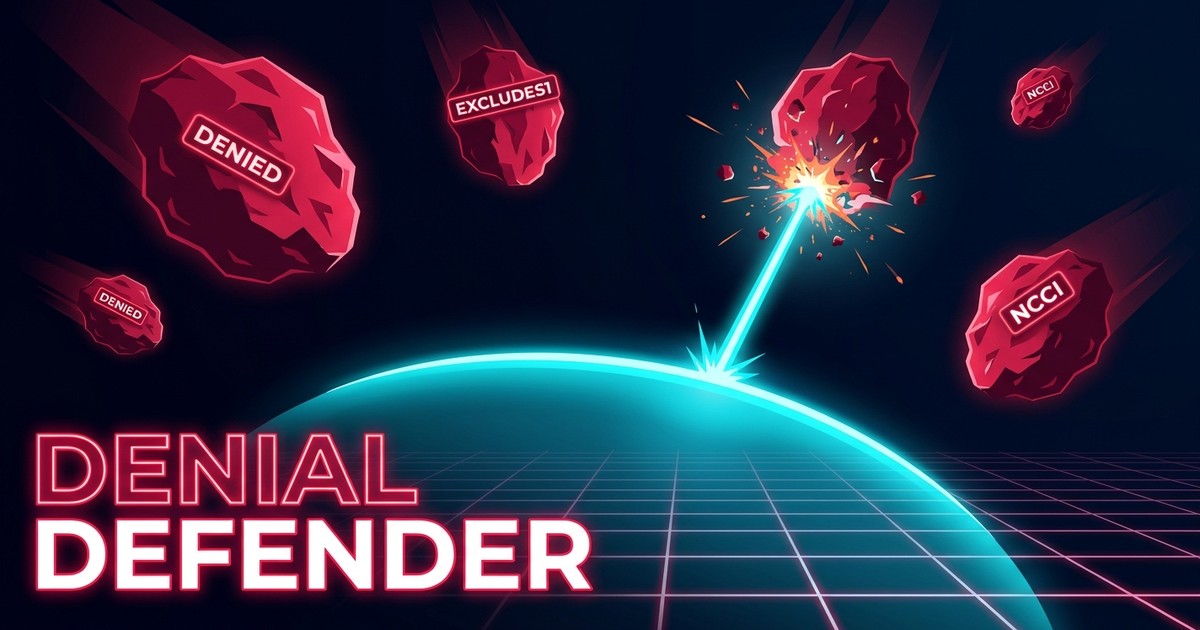
Denial Defender — Incoming denials. One correct fix each. Do not let them land.
Intermediate3–6 min

Denial Defender

Incoming denials. One correct fix each. Do not let them land.

Claim denials fly at your clearinghouse from deep space, each tagged with a real payer rejection — an Excludes1 conflict, a missing modifier, an unsupported medical-necessity link. Fire the correct remediation before impact. Three landed denials and the claim batch is toast.

What you practice
  • Excludes1 vs. Excludes2 conflicts
  • HCPCS/CPT modifier selection
  • Medical necessity and sequencing rules
Play Denial Defender
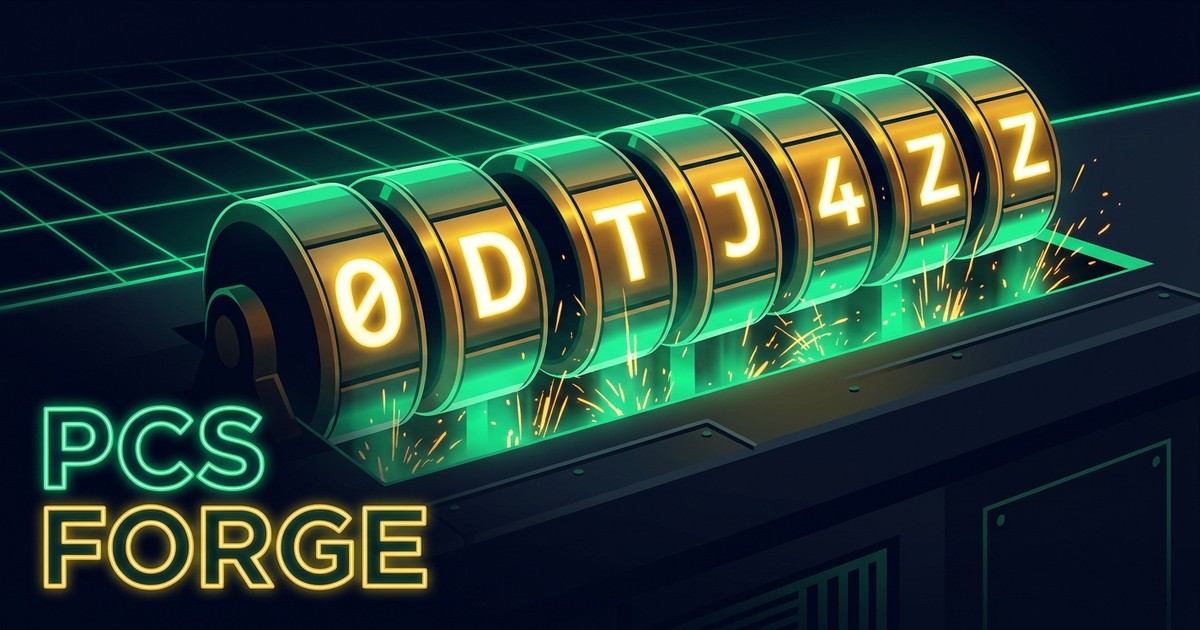
PCS Forge — Seven rotating drums. Build the procedure code character by character.
Advanced5–10 min

PCS Forge

Seven rotating drums. Build the procedure code character by character.

The hardest thing in inpatient coding, made physical: seven character drums you spin to forge an ICD-10-PCS code from an operative note. Section, body system, root operation, body part, approach, device, qualifier — each locks in with a satisfying clunk, and the forge only fires when all seven are right.

What you practice
  • The seven ICD-10-PCS character axes
  • Root operation definitions (Excision vs. Resection vs. Extraction)
  • Approach values, including percutaneous endoscopic
Play PCS Forge
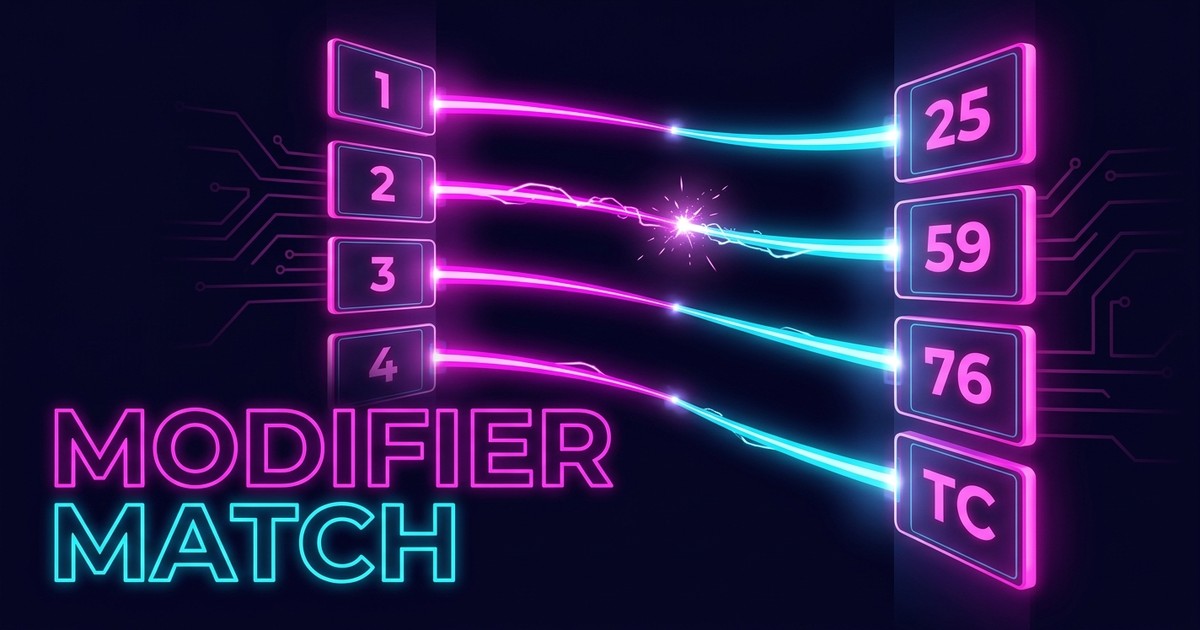
Modifier Match — Four situations, four modifier keys, one correct wiring.
Intermediate2–4 min

Modifier Match

Four situations, four modifier keys, one correct wiring.

A pair-matching board where every option is a modifier that gets confused with the one next to it — 76 against 77, 78 against 79, 26 against TC, 52 against 53. Link each billing situation to the modifier that actually resolves it. Clearing a board means separating rules that look nearly identical on paper.

What you practice
  • Repeat vs. return-to-OR modifiers (76/77/78/79)
  • Professional vs. technical component splits
  • Modifier 25 vs. 57 in the surgical window
Play Modifier Match
Sequence Surgeon — No right answer to spot — only the right order.
Advanced4–8 min

Sequence Surgeon

No right answer to spot — only the right order.

Stack the diagnosis codes from principal on down, the way the Official Guidelines require. Sepsis before its source, Z51.11 before the malignancy, the "code first" note before its manifestation. Exact sequences score full marks, and getting the principal right still earns partial credit, because that is most of the battle.

What you practice
  • Principal vs. secondary diagnosis selection
  • "Code first" and manifestation sequencing
  • Chapter-specific priority rules (obstetrics, newborn, HIV)
Play Sequence Surgeon
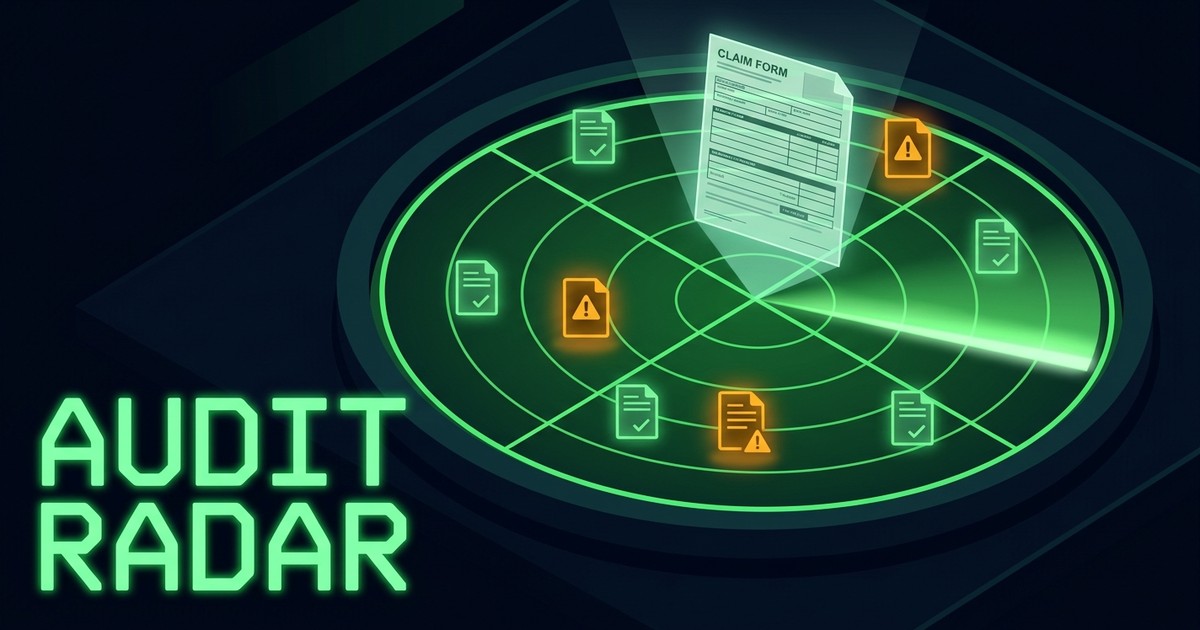
Audit Radar — Pass the clean ones. Flag the rest. Name the issue.
Advanced4–7 min

Audit Radar

Pass the clean ones. Flag the rest. Name the issue.

Claims cross the scope one at a time and you have thirty seconds each: pass it or flag it, then say what is wrong. Passing a clean claim scores exactly as much as catching a dirty one — because in real auditing, flagging everything is its own kind of wrong, and knowing when to leave a claim alone is half the skill.

What you practice
  • Recognising upcoding, unbundling and cloned notes
  • Judging when a modifier is genuinely supported
  • Resisting false positives on legitimate claims
Play Audit Radar

How to get the most out of these

Read the explanation on wrong answers. The distractors are not random siblings — each one is a specific trap (flipped laterality, wrong 7th character, Resection where Excision belongs). The explanation is the actual lesson.

Chase accuracy before speed. Code Rush rewards a combo streak far more than raw pace, which mirrors production work: a fast wrong code costs more than a slow right one.

Look codes up afterward. Every code you meet here has a full page on this site with includes, excludes, and crosswalks. Browse the code sets →

Study aid only. Content is built for practice and is not coding, billing, legal, or medical advice — always verify against the current official code set and your payer’s policy.