
Browse Code Sets
Free medical coding reference. Look up the latest ICD-10-CM diagnosis codes, ICD-10-PCS procedure codes, HCPCS Level II, ICD-11, and legacy ICD-9-CM code sets. Pick a set to search codes, read official descriptions, includes/excludes notes, and track yearly code changes.
ICD-10-PCS
192,560 codesInpatient procedure codes for hospital billing. Covers surgeries, diagnostics, and treatments.
ICD-10-CM
98,208 codesDiagnosis codes for all healthcare settings. The standard for medical coding in the United States.
ICD-11
37,052 codesThe next generation WHO classification system. New hierarchical structure with modern clinical concepts.
ICD-9-CM
22,388 codesLegacy diagnosis and procedure codes. Retired but still referenced for historical data and crosswalks.
HCPCS-II
9,090 codesSupplies, equipment, and outpatient services. Essential for durable medical equipment and non-physician services.
MS-DRG
798 codesMedicare inpatient payment groups. Each DRG carries a relative weight and expected length of stay.
By the Numbers
A look at code volume and real usage across the library. Full analytics dashboard →
Codes by Set
Latest published year for each set.
Views by Code Set
What visitors actually look up.
Explore ICD-10-CM by Chapter
The 22 clinical chapters, by number of codes inside.
Code of the Day
10/25/2026Pro-Tips
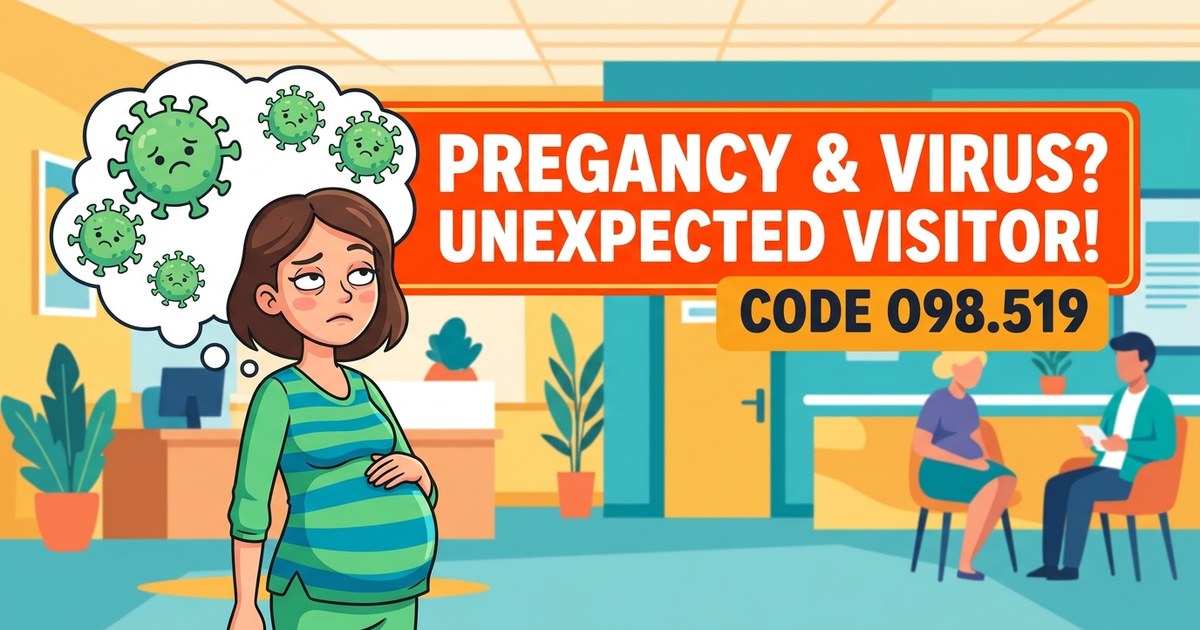
1) Always review clinical records for gestational age before resorting to the unspecified trimester digit 9. 2) Sequence the Chapter 15 code O98.519 first, followed by a secondary code identifying the specific viral infection. 3) Avoid using O98.519 if a more specific subcategory exists, such as viral hepatitis (O98.4) or HIV (O98.7). 4) Query the provider if the documentation lacks gestational age or fails to clarify if the infection complicates pregnancy. 5) Verify that secondary Chapter 1 codes are appended to properly justify clinical severity and medical necessity.
Target 50k+ Medical Professionals
Slot ID: HP-MAIN-HERO
🔔 Latest Updates & Alerts
View AllScheduled Database Maintenance
The database will be undergoing maintenance on Sunday at 02:00 UTC. Expect 5 minutes of downtime.
Note on Cholera due to Vibrio cholerae 01
New clinical inclusion terms have been added to this code for the 2026 revision.
Welcome to the 2026 Billing Coding Library
We have officially updated all datasets for the 2026 fiscal year, including ICD-10-CM, PCS and HCPCS-II.
ICD-10-CM Guideline Changes
CMS has released updated guidelines for 2026 diagnosis coding regarding social determinants of health.
Help & Documentation
Need help finding a specific code or understanding the hierarchy? Use the search tool on any code set page.
View Data Analytics →